


The Intriguing Contrast of Minimalist and Maximalist Interiors: Discover Your Design Identity

In the world of interior design, two opposing philosophies reign supreme: Minimalism and Maximalism. Both styles create unique atmospheres and signify different lifestyle choices. Understanding these design identities not only helps you make informed decisions for your space but also allows for a deeper appreciation of what each style represents.
As we explore the captivating realms of minimalist and maximalist interiors, you'll uncover what resonates with you—be it the serene simplicity of minimalism or the vibrant chaos of maximalism.
Understanding Minimalism
Minimalism emphasizes simplicity and a "less is more" approach. Originating as a response to the cluttered living of the mid-20th century, minimalist design focuses on decluttering spaces and highlighting clean lines alongside neutral colors.
This design philosophy often employs functional elegance, where every piece of furniture or decor serves a specific purpose. A typical minimalist space features an open floor plan and abundant natural light, valuing quality over quantity in furnishings.

Minimalist interiors not only reflect a lifestyle that prioritizes clarity and calm but also create environments that enhance productivity. In fact, studies show that minimalism can lead to improved focus and reduced stress levels.
Exploring Maximalism
On the other hand, maximalism invites exuberance and individuality. This style embraces abundance, featuring bold colors, eclectic patterns, and a variety of textures to create a visually stimulating environment.
Maximalism encourages personal expression without boundaries. Here, you'll find a mix of items—from vintage finds to contemporary art pieces—all working together to tell a story. For instance, a maximalist living room might boast a bright yellow sofa, an ornate Persian rug, and a gallery wall filled with travel memorabilia and personal artworks.
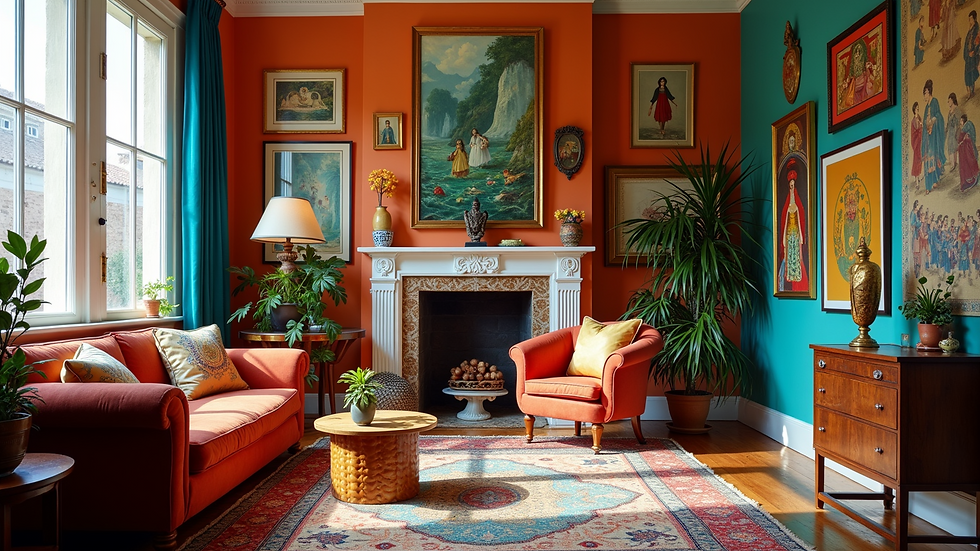
For those who thrive on creativity, maximalism becomes a canvas to celebrate diversity in design. Research indicates that visually rich environments can stimulate creativity and enhance mood.
Key Differences Between Minimalism and Maximalism
Visual Appeal
In minimalist interiors, visual appeal resides in the subtle elegance of clean lines and sparse decor. Color palettes lean towards whites, creams, and soft neutrals, which create a calming atmosphere. A study found that minimalistic spaces can reduce anxiety by as much as 18%.
Maximalism, however, flourishes on visual stimulation, embracing clashing patterns, vivid colors, and rich textural contrasts, turning every corner into a vibrant tapestry of experiences.
Functionality vs. Expression
Minimalism often prioritizes functionality—each item serves a significant purpose. Furniture usually comes with multi-functional qualities, maximizing space without sacrificing style.
In contrast, maximalism places less emphasis on practicality. Instead, it celebrates personal expression, making each item a potential conversation starter. A thriving example is a room filled with cultural artifacts, each one containing a unique story that reflects the homeowner's personality and travels.
Psychological Impact
Psychologically, minimalist interiors can foster a sense of peace and tranquility. They yield an environment conducive to relaxation and mindfulness, which can reduce stress and enhance focus.
Conversely, maximalism can evoke excitement and joy. The colorful medley of decor and layers of personal history create an inviting space that sparks creativity and connection with loved ones.
Discovering Your Design Identity
Finding your design identity requires reflection on your lifestyle, preferences, and emotional needs. To assist you in this journey, consider these questions:
What is your emotional response to clutter?
Do you find too many items overwhelming, or do you thrive in spaces brimming with memories?
How do you envision your space?
Imagine your dream environment: Is it serene and minimalist, or vibrant with color and patterns?
What role does functionality play in your life?
Do you prefer practical items, or do aesthetics take precedence in your decisions?
Taking the time to reflect on these questions can clarify your position on the minimalist-maximalist spectrum. It's essential to recognize that you can blend elements from both aesthetics to create a unique space that feels just right for you.
Blending Minimalist and Maximalist Elements
If you're torn between the two styles, creating a hybrid environment is perfectly acceptable. Here are some practical tips for successfully mixing minimalist and maximalist interiors:
Choose Statement Pieces: In a minimalist room, select bold decor or art that adds a personal touch and captures attention.
Layer Textures: Use simple furnishings and introduce textured fabrics, such as cozy throw pillows or rich rugs, to add warmth and depth without overwhelming the space.
Reflecting on these strategies allows you to maintain the essential qualities of minimalism while adding the vibrancy of maximalism.
Your Path to a Unique Design
Both minimalist and maximalist interiors offer distinct advantages, appealing to a wide range of lifestyles and preferences. Whether you lean towards the tranquility of minimalism or the creative chaos of maximalism, understanding these design identities can empower your decorating choices.
So, which design identity resonates best with your personal style? By embracing what feels authentic to you, you can create an interior space that not only looks beautiful but also feels inviting and comfortable.
Begin your design journey with confidence. Whether you opt for minimalism, maximalism, or a unique blend of both, let your spaces reflect your individuality and make your house a true home.


Comments